

Post-Workout Nutrition: Food vs Supplements
You just finished a solid workout. Your muscles are primed for repair, glycogen is low, and the next 60-90 minutes matter. Yet many people just grab a shake out of habit or wait too long for a ‘perfect’ meal and miss the window. The real question is not whole foods or supplements — it is knowing which one serves recovery best in that moment.
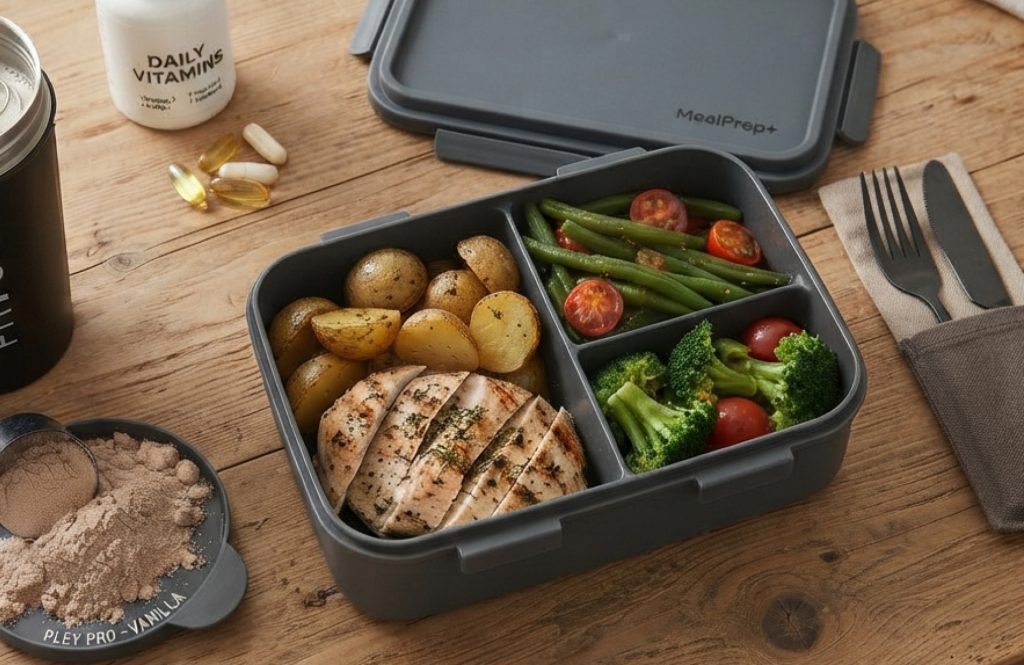
Whole foods should be the default. A balanced meal with high-quality protein (eggs, fish, poultry, dairy or legumes), carbohydrates (potatoes, rice, noodles or oats), and unsaturated fats (from avocado, olive oil, nuts or seeds) delivers amino acids, restores glycogen, and supplies micronutrients and anti-inflammatory compounds in their natural form. Research on the food matrix shows that whole-food protein sources can effectively support post-exercise muscle protein remodelling, often providing additional benefits beyond isolated amino acids(1,2). When you can eat a proper meal within 60-90 minutes after training, choose whole foods.

Supplements become more useful under real-world constraints. Immediately after high-intensity or long sessions when appetite is low, during travel or when a full meal is hours away, a fast-digesting protein source (such as whey or a quality plant isolate) plus simple carbohydrates can initiate repair until you can access real food(3). Targeted tools like creatine or electrolytes can also fill specific gaps that are hard to meet consistently through diet alone, especially for higher training loads.
The key principle remains: total daily protein intake and overall nutrient quality matter most. Timing and form (whole foods vs supplements) are secondary tools(3, 4). Use supplements to bridge practical gaps, then return to nutrient-dense meals as soon as possible.

Quick Post-Workout Smoothie (prep time 2 minutes using portable blender)
- 200g fat-free Greek yoghurt or 1 scoop of your preferred protein if needed
- 1 small banana (fresh or frozen)
- ½ cup berries (fresh or frozen)
- 1 tbsp chia seeds or ground flaxseed
- 1 handful of spinach (optional)
- Splash of unsweetened soy milk, skimmed milk or water to blend
Blend until smooth and enjoy. This simple smoothie delivers high-quality protein, fast-digesting carbohydrates, unsaturated fats, fibre, and micronutrients — the exact combination that research supports for recovery — using mostly whole foods. Portable hand blenders make it easy to prepare and drink on the go.
Keep these ingredients handy so that convenience doesn’t equate to a powder shake. Assess each session honestly: Can I prepare a real-food option soon? If yes, choose whole foods. If logistics make that unrealistic, a targeted supplement can support recovery without becoming the daily default.
Whole foods build the foundation. Supplements provide support when needed. Master both, and post-workout nutrition becomes a reliable daily habit rather than a source of confusion.
References
- van Vliet S, et al. Achieving optimal post-exercise muscle protein remodeling: the role of whole food sources. Front Nutr. 2018;5:50.
- Burd NA, et al. Food-first approach to enhance the regulation of post-exercise muscle protein synthesis and remodeling. Sports Med. 2019;49(Suppl 1):59–68.
- Kerksick CM, et al. International Society of Sports Nutrition Position Stand: nutrient timing. J Int Soc Sports Nutr. 2017;14:33.
- Jäger R, et al. International Society of Sports Nutrition Position Stand: protein and exercise. J Int Soc Sports Nutr. 2017;14:20.