Daily Habits for Better Active Recovery

Most people train hard, eat reasonably well and still feel constantly depleted. The missing piece is rarely more effort — it is better recovery. The difference between those who keep progressing and those who plateau or burn out often comes down to a handful of daily habits that tell the body it is safe to repair, adapt and restore.
Recovery is not a luxury — it is the foundation of consistent progress. Simple daily practices that support the body’s natural repair systems through breathwork, mobility, nutrition and contrast therapy create long-term resilience.

Start each morning with a brief activating breath practice. Gently block the left nostril with a finger and breathe only through the right nostril, using a longer inhale and shorter exhale. This pattern is associated with greater sympathetic activation and can help wake the body and mind(1,2). Spend 2-5 minutes on this before rising fully.

Follow with mobility work in the morning or afternoon. Five to ten minutes of joint circles, dynamic movements or controlled stretches help reduce overnight stiffness, improve circulation, and support daytime range of motion and readiness. Joint stiffness is typically highest in the morning due to inactivity overnight. Doing mobility work earlier addresses this diurnal pattern and leaves the evening free for deeper wind-down practices(6).

During the workday, use box breathing (equal inhale–hold–exhale–hold, typically 4 seconds each) for 1-3 minutes before or after meetings, or whenever stress builds. This simple technique supports parasympathetic tone and helps reset focus(3).
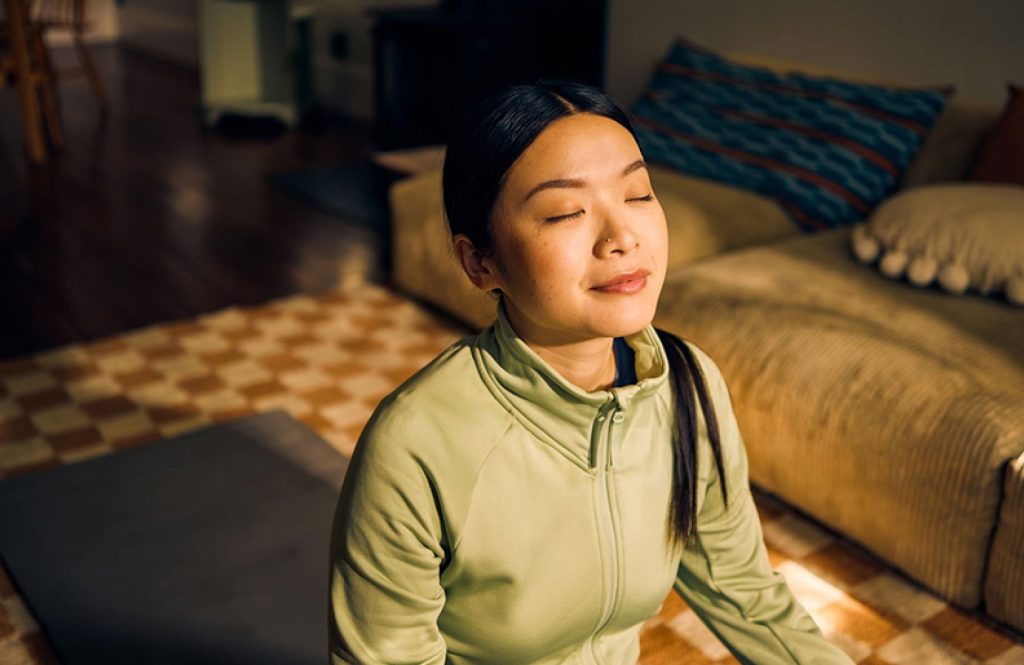
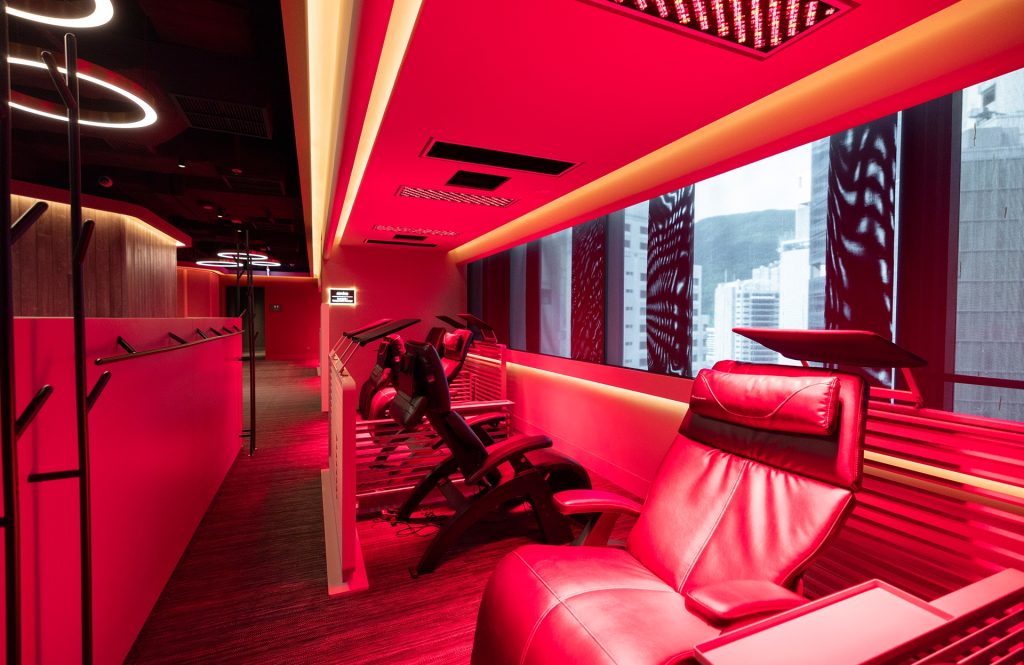
In the evening, shift to a calming breath pattern: block the right nostril and breathe only through the left nostril with a shorter inhale and longer exhale (e.g., inhale for 3 seconds, exhale for 5 seconds). This approach is linked to greater parasympathetic activity and eases the transition into rest(1,5). Make time for this breathwork plus contrast therapy (alternating warm and cool water) rather than additional mobility. When using contrast therapy close to bedtime, emphasise the warm/hot immersion phase over cold. Passive body heating with warm water 1-2 hours before sleep has been shown to shorten sleep onset latency and improve sleep quality by promoting a subsequent drop in core body temperature(7). Contrast therapy overall can still support circulation and ease perceived muscle fatigue(4), while the greater focus on heat prepares the nervous system and body temperature for restful sleep.
Support the entire system with protein-rich meals, complex carbohydrates, colourful vegetables (eat the rainbow), unsaturated fats and steady hydration throughout the day.
Consistency matters more than perfection. Practising these habits daily breeds noticeable changes in energy, sleep quality and training readiness. Over time they compound — better recovery drives better adaptation and fewer setbacks.
Recovery is active. Integrating targeted breathwork, well-timed mobility, smart nutrition and contrast therapy into your day builds the physiological conditions for sustainable performance.
References
- Vanutelli ME, et al. Breathing right… or left! The effects of unilateral nostril breathing on brain and autonomic activity. Brain Sci. 2024;14(4):302.
- Niazi IK, et al. EEG signatures change during unilateral Yogi nasal breathing. Sci Rep. 2022;12:109.
- Bentley TGK, et al. Breathing practices for stress and anxiety reduction… Healthcare. 2023;11(24):3144.
- Higgins TR, Greene DA, Baker MK. Effects of cold water immersion and contrast water therapy for recovery… J Strength Cond Res. 2017;31(5):1443–1460.
- Kulkarni A, et al. The effect of specific techniques of nasal breathing (pranayama) on intraocular pressure. Clin Ophthalmol. 2022;16:127–132.
- Iconaru EI, et al. The influence of weather conditions on the diurnal variation of the knee joint stiffness… Medicina. 2024;60(1):88.
- Haghayegh S, et al. Before-bedtime passive body heating by warm shower or bath to improve sleep… Sleep Med Rev. 2019;46:124–135.